


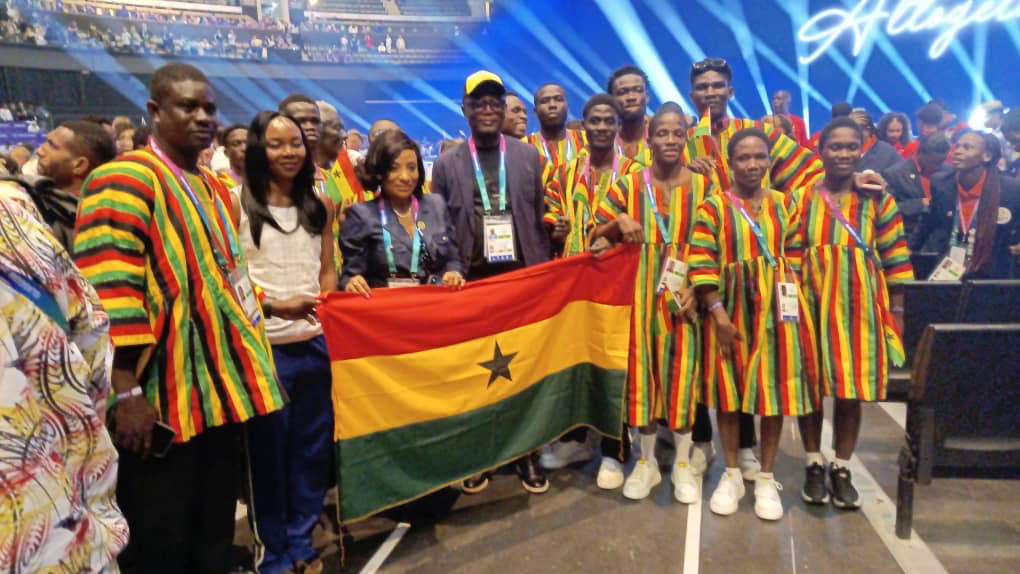
Despite the official unveiling of a 40-member national contingent, public enthusiasm surrounding Ghana’s prospects at the 2026 Commonwealth Games in Glasgow remains markedly low.
Across sports talk shows, social media platforms, and fan forums, a prevailing wave of skepticism has overshadowed the official buildup, with many Ghanaians expressing doubt over the team’s ability to secure significant podium finishes against elite global competition.
The widespread pessimism stems largely from recurring structural grievances that have historically hampered national sports development. Fans and sports analysts point to delayed tournament funding, inadequate pre-competition camping facilities, and persistent administrative bottlenecks as major hurdles that disadvantage local athletes long before they step onto the international stage.
While star athletes like team captain Joseph Paul Amoah and star sprinter Benjamin Azamati, national 100m record holder Abdul Rasheed Saminu and high jump queen Rose Yeboah carry individual pedigree, critics argue that systemic preparation underperforms compared to heavily funded powerhouse nations like England, Australia and Jamaica.
Public apathy is further compounded by recent international multisport outings, where promising national squads struggled to convert talent into medals due to last-minute travel logistics, equipment shortages, and limited access to high-performance science support.
Outside of track and field and boxing —disciplines that traditionally account for the bulk of Ghana’s medal tally historically — many fans view the inclusion of lesser-funded sports as a procedural exercise rather than a targeted medal push.
As the Games draw near, the onus falls on the Ministry of Sports and Recreation and the Commonwealth Sport Ghana to prove the doubters wrong.
While the technical team insists that morale within the camp remains high, Team Ghana faces an uphill battle not only against world-class competitors in Glasgow, but also against the heavy weight of low expectations back home.
Credit: Gottlieb Baako

